For Candidates
How to Become a Hunting Guide in Montana
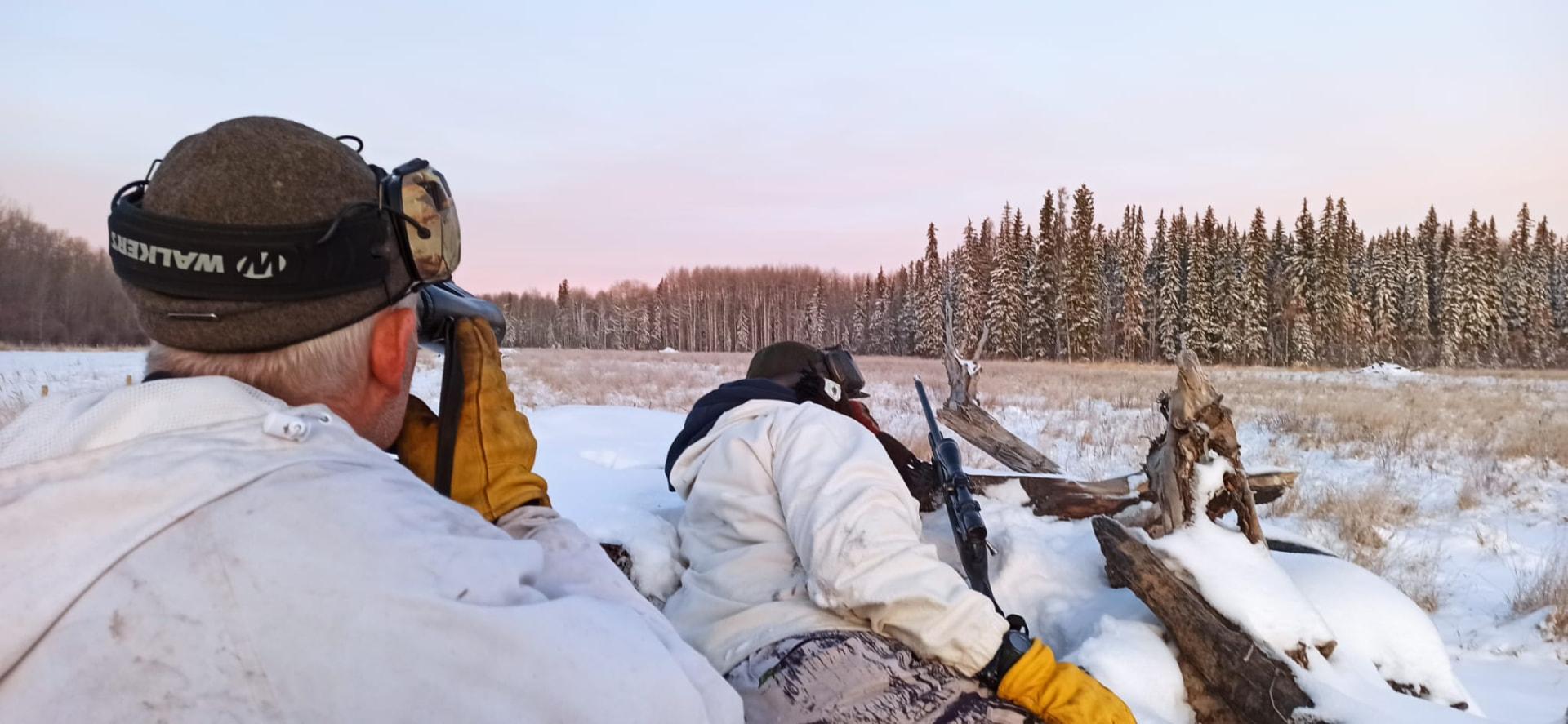
Want to guide hunters in Montana? Learn the field skills, licensing steps, outfitter connections and application tips that can help you get started.
Montana can look like the perfect place to turn years of hunting and time outdoors into a job. But working as a paid hunting guide takes more than knowing where elk bed or being comfortable in the mountains. Outfitters need people who can look after clients, handle demanding days in the field and help a trip run safely from the first morning to the last pack-out.
The route into the profession is practical: understand what guides do, build useful field skills, connect with a licensed outfitter and meet Montana's licensing requirements. Here is how to approach each step without pretending that every guide job is the same.
Understand What a Montana Hunting Guide Does
A hunting guide works with clients as part of an outfitter's operation. The details vary widely. An elk guide based out of a wilderness camp may spend days scouting routes, glassing ridgelines and moving camp supplies. A guide working from a vehicle-accessible lodge may focus more on daily transportation, communication and keeping different client groups on schedule.
Either way, the job is not simply about finding game. Guides must explain a plan clearly, make sound decisions when conditions change, respect land access and wildlife rules, and help clients feel prepared. Depending on the operation, field crew members may also assist with camp setup, meat care, horses, packing and gear maintenance.
A useful first decision is what sort of operation you want to join. Backcountry horseback hunts, day hunts, archery camps and rifle seasons call for overlapping but different skills. Be specific about the species, terrain and type of work you know best rather than describing yourself as experienced in everything.
Build Skills an Outfitter Can Actually Use
Personal hunting experience is valuable, but an outfitter needs evidence that your skills transfer to a professional operation. Think about the work you could handle if a client arrived tomorrow, the weather turned bad and the crew needed another dependable pair of hands.
- Navigation: read topographic maps, use a compass or GPS, and plan a safe route back in poor visibility.
- Species and terrain knowledge: understand elk or deer behavior, seasonal movement and the country where you expect to guide.
- Client communication: explain realistic expectations, listen carefully and stay calm when a hunt does not go to plan.
- Backcountry competence: manage layers, food, water, camp routines and changing weather without becoming a burden on the team.
- Game handling: know how to support legal, sanitary field care and transport arrangements according to the outfitter's procedures.
- Stock and packing: if the job uses horses or mules, develop real handling and packing experience rather than relying on general riding ability.
Safety is part of every item on that list. First aid training is useful well beyond the license application, and your ability to recognize problems early matters just as much as outdoor confidence. If you are new to guiding, start by strengthening the two or three skills most relevant to the operations you want to approach.
Check Montana Hunting Guide License Requirements
Montana regulates professional guides through the Montana Board of Outfitters. Under the state's guide qualification rules, an applicant generally must be at least 18, physically capable of guide duties, hold a valid conservation license and receive an endorsement from a properly licensed outfitter unless a board-established exception applies. The Board also lists first aid training and experience or approved guide education among initial application requirements.
The details matter. A guide school is not automatically required for every applicant, and years of recreational hunting do not automatically replace the state's application standards. The route that applies to you may depend on your relevant experience, an approved school, work completed with an outfitter and supporting paperwork. Requirements can change, so check the current application and guidance on the Montana Board of Outfitters website before paying fees or making travel plans.
- Confirm the current guide application, endorsements and supporting documentation with the Montana Board of Outfitters.
- Ask a prospective licensed outfitter whether they can endorse your application and what experience they expect.
- Review the current first aid and conservation license requirements rather than assuming a course you took years ago will qualify.
- If you are moving from another state or country, separately confirm your legal authorization to work in the United States.
A hunting guide license is not the same as an outfitter license. Guiding under an established outfitter and running your own commercial outfitting business are different career paths with different requirements.
Find the Right Outfitter Before the Season
For many people, the hardest step is not learning one more outdoor skill. It is meeting an outfitter willing to bring them into a crew. Instead of sending the same vague introduction everywhere, make a shortlist of operations whose hunting style fits your background. Look at their species, typical terrain, whether they use stock and the time of year their season runs.
Be direct about what you can contribute. A candidate with strong horse care and packing skills may be a better fit for a backcountry crew than someone with years of independent hunting but little stock experience. The reverse may be true for a different operation. Entry-level camp or field crew work can help you learn an outfit's routines and build relationships, but it does not authorize you to perform regulated guiding duties before you are properly licensed.
You can browse hunting guide jobs and other seasonal crew positions through OutfitterCrew. When you find a suitable opening, read the dates, duties and requirements closely. Check whether housing or meals are provided, what equipment you are expected to bring and whether the position includes responsibilities beyond guiding.
Create an Application that Shows Real Experience
A good application gives an outfitter enough detail to decide whether to start a conversation. A generic statement such as 'I love hunting and the outdoors' tells them very little. Specific examples do more work: how many seasons you have spent in similar country, what species you know, whether you have packed stock and which tasks you handled independently.
- State the role you want and the exact dates you are available.
- List the species, states or regions, terrain and hunting methods you know firsthand.
- Describe relevant work with horses, mules, camps, clients, equipment or meat handling.
- Include current certifications and license status accurately, without claiming credentials you do not hold.
- Use clear photos that demonstrate field experience, with permission from anyone identifiable in them.
- Explain what you still need to learn and why that particular outfitter interests you.
OutfitterCrew lets candidates build a candidate profile and set their season availability. Treat it as a living record. Update it when you gain another season of experience, complete training or become available for a new set of dates. An outfitter who needs a guide for September and October must be able to tell whether those dates will work.
The most convincing guide application does not promise to know everything. It makes clear what you can do reliably on day one.
Prepare for Your First Paid Season
Before accepting a position, talk through the actual work. Who supervises the guides? How are clients assigned? What happens if weather closes a route or someone becomes injured? Which parts of the job are guiding, and which are general camp or support duties? A straightforward conversation can prevent surprises once the season begins.
Get the terms in writing where appropriate. Confirm compensation, expected work dates, housing, food, transportation, insurance arrangements, required personal gear and any conditions tied to licensing or employment. Do not assume that a position includes accommodation or that tips will make up for an unclear pay agreement.
Your first season is also a chance to build the reputation that creates future opportunities. Show up prepared, follow the outfitter's safety procedures, communicate problems early and take the unglamorous jobs seriously. Being trustworthy around clients, stock and other crew members can matter long after a particular hunt is over.
If becoming a Montana hunting guide is your goal, start with the next practical move: identify your strongest field skills, review the Board's current requirements, find licensed outfitters whose work matches those skills and present a clear record of your experience. Then keep your availability current so the right operation can find you when it is building its next crew.
Build your crew, or your next season
OutfitterCrew connects hunting and fishing operations with guides, field crew, boat crew and lodge staff across the US and Canada.